· 3 min read
The Speed of Light Is the Normal Speed
An October evening with a physics fact that reverses everything: light is not fast. Light is on time. We are the ones moving slowly, and the reason is the same reason we get to exist.
On an October evening, reading with the window open to the first real autumn rain, I met a sentence that turned the universe inside out, and I have been carrying it around like a smooth stone since.
We say the speed of light as if it were a sports statistic, the universe's record lap, unreachably fast. Three hundred thousand kilometers a second, the cosmic speed limit, nothing outruns it. All true, and all, I learned this month, exactly backwards.
Here is the reversal, and it is not poetry, it is straight from the relativity I have been climbing around in for four years now. The speed of light is not a special speed some particles achieve. It is the default speed of the universe, the speed everything without mass automatically travels, always, without effort. A photon cannot go slower, slowness is not available to it. Light is not the sprinter of the cosmos. Light is simply moving at the normal rate, the rate the universe runs at when nothing is holding it back.
We are the anomaly. Mass is the anomaly. Matter is the stuff that got heavy, and heavy things are forbidden from the normal speed, condemned to crawl. You, me, the rain, the planet, we are the slow ones, the exceptions, wading through existence far below the universal tempo.
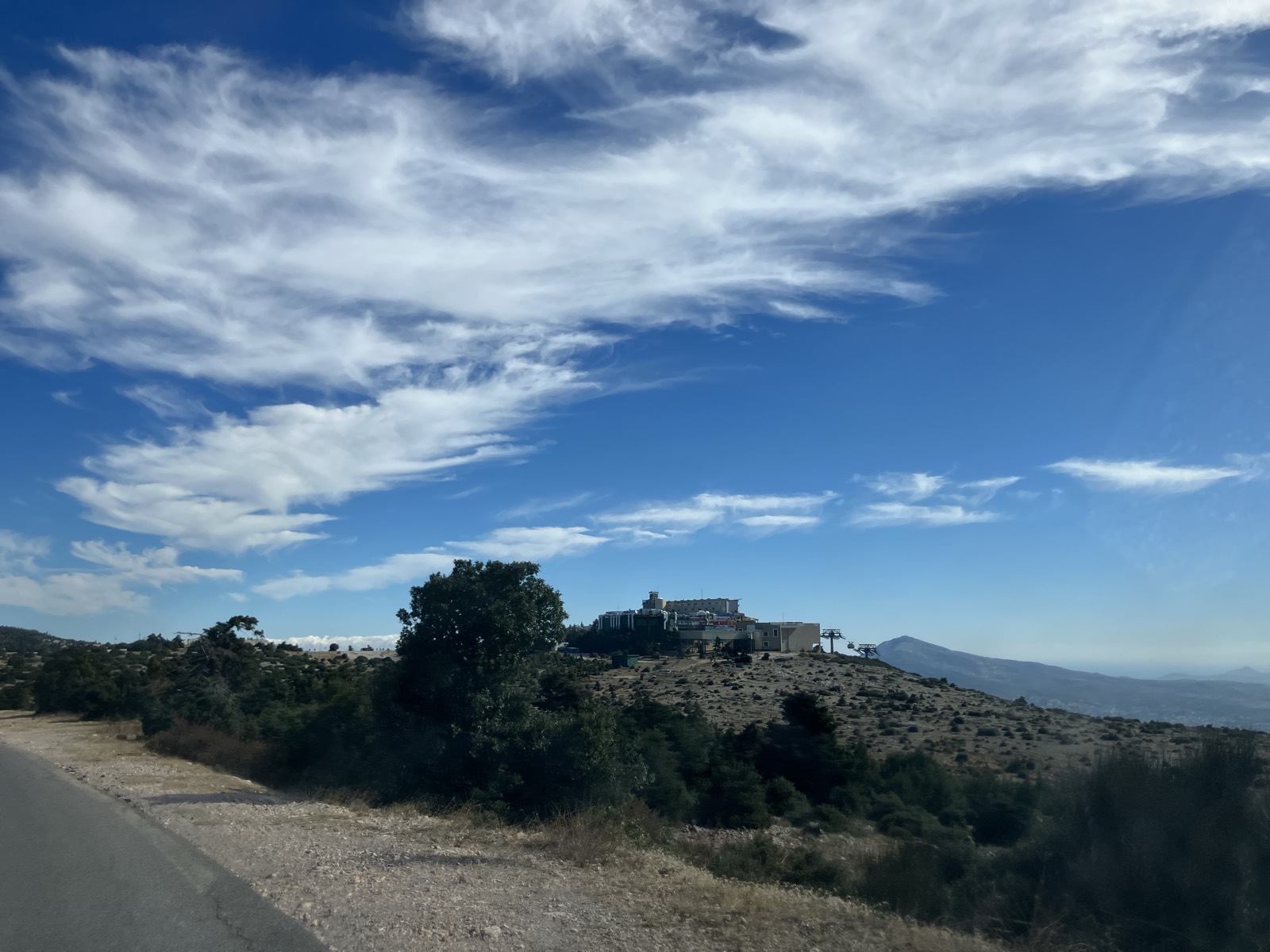
And it gets stranger, and better. Relativity says that the faster something moves through space, the slower its clock runs, and at the speed of light, the effect completes itself: for a photon, no time passes at all. From the photon's own point of view, if it had one, its birth in some ancient star and its arrival in your eye tonight are the same instant. That two-and-a-half-million-year journey from Andromeda I wrote about, four autumns ago, in an olive grove? Two and a half million years for us. For the light itself, nothing. Departure and arrival, one single now. Light does not experience the universe as a journey. It experiences it, if the word even applies, as a point.
Which means time, the whole vast slow river of it, is not the universe's default condition either. Time is what mass buys. Duration exists only for things heavy enough to fall below the normal speed. The photon gets the whole trip in an instant and, in exchange, gets no trip at all: no waiting, no watching, no rain on a window in October. We got heavy, and the heaviness slowed us out of eternity and into afternoons.
I closed the book and sat with the rain doing its patient percussion, and the thought that arrived has stayed all month. I have spent stretches of my life resenting slowness, mine especially. The slow rebuild of a nervous system, ten minutes at a time. The slow migration of meanings, the slow rot of old statistics, the slow carving of new paths, everything in these pages is slow, and some old voice occasionally still files that as failure.
But slowness, physics says, is not the absence of speed. Slowness is the presence of mass, and mass is the price of admission to time. Everything that ever mattered to me happened inside duration: the piano at noon, the honey moon over the taverna, four years of mornings, this rain. Light, poor magnificent light, crosses the universe and misses all of it.
We are not failing to keep up. We are the part of the universe that slowed down enough to have experiences.
The rain agreed to this all evening, at its own unhurried, heavyweight, luxurious pace. Champions of slowness, all of us. Enjoy the afternoons. They cost a universe.
From the same notebookThe Kid and the MachineRead the opening →