· 3 min read
A Book for One Reader
I spent the summer writing a small book about time, for an audience of exactly one person. It worked on him.
This summer I finished writing a small book. It is called Why Clocks Disagree, and it was written for an intended audience of exactly one reader.
Me.
The trouble started innocently, at a taverna, when a friend asked me to explain that atomic clock story I am always telling, the 1971 one, the clocks that flew around the world in their own airplane seats and came back younger. I got two minutes in and heard myself doing the thing I despise: repeating. Reciting sentences from books in book order, with confidence, the way I once talked about compressors before I actually understood compressors. He nodded, satisfied. I drove home furious with myself, because repeating is not knowing, and I could feel the difference exactly where I always feel it, in the hands. If you cannot build it, you do not own it.
So I set myself the workshop rule and made it a summer project. I would build the explanation from the floor up, in my own words, one chapter per honest question, until the kid in me who needs to know how things work signed off on every page. Why can nothing outrun light? What does moving fast actually do to your time? If two people watch the same two events, can they honestly disagree about the order, and both be right? No chapter advances until the previous one is genuinely mine.
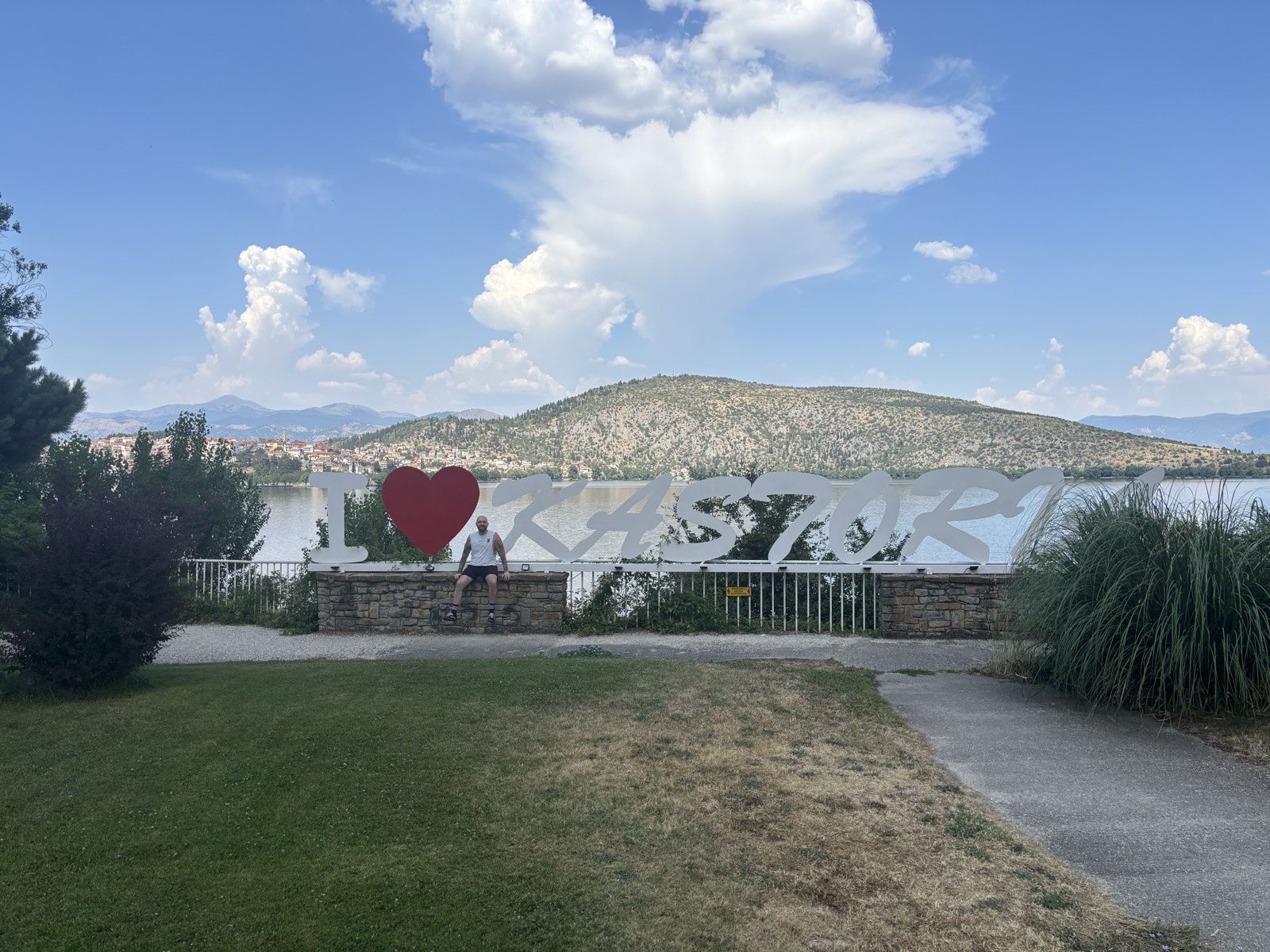
It took the whole summer, and it was one of the best summers of my life, and the strangest thing about it was watching what the writing did that the reading never had.
Reading is receiving. Writing turned out to be testifying. When you force an explanation through your own pen, in order, every hole in your understanding announces itself immediately, you cannot write your way over a gap the way you can nod your way over one. I would hit a gap, go back to the sources, walk the sea road until the piece clicked, then write the paragraph that was now actually mine. And some paragraphs arrived that I had not planned and could not source, sentences that were true and that I had never thought before the pen produced them. I read them back like mail from a stranger. There is a mechanism in there somewhere, something about how a sentence can only say one thing at a time, so writing forces a crowded mind to queue, and a queued mind discovers what it actually thinks. I do not fully understand it yet. It has become my favorite tool regardless. I recommend it for any subject too big for your head: do not study it. Write the book of it, even if, especially if, nobody will ever read the book.
Somewhere in August the physics quietly turned personal, which by now you will expect. You cannot spend a summer proving that every clock measures its own true time, that no reference frame outranks another, that two honest witnesses can disagree and both be right, without the equations gently working on the writer. My own years stopped looking mistimed somewhere around chapter nine. That was not the project. That was, as the engineers say, an undocumented feature.
The book is done and it is free, because it seems wrong to sell tickets to a conversation I had with myself. It sits with my other writing now, and if you read it, you should know you are reading over the shoulder of its one intended reader, who finally, properly, in his own hands, understands why the clocks disagree.
They were both right. It took two hundred pages. Worth every one.
From those days


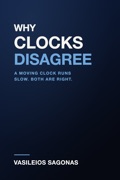
Free bookWhy Clocks DisagreeWhy Clocks Disagree is finished and free to read →